Skip to content
Jabalpur, Madhya Pradesh, 482002

Business hours

Dr. Sunil Chauhan laser Dental Clinic

Monday
10am-8pm
Tuesday
10am-8pm
Wednesday
10am-8pm
Thursday
10am-8pm
Friday
10am-8pm
Saturday
10am-8pm
Sunday
10am-2pm

You can anytime during the day with your query.

9425157606

Latest Posts & Updates

Fresh stories, announcements and offers about Dental Clinic, straight from our business.

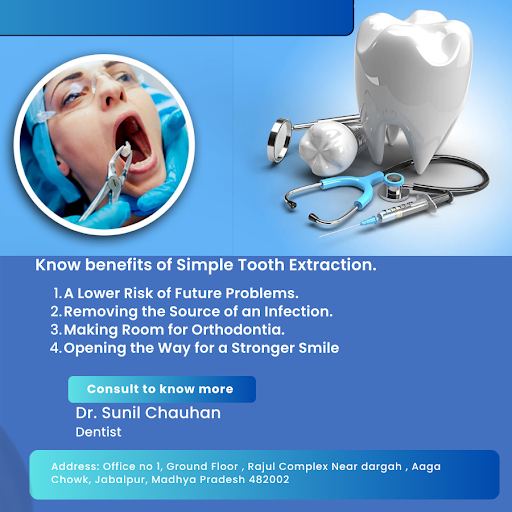
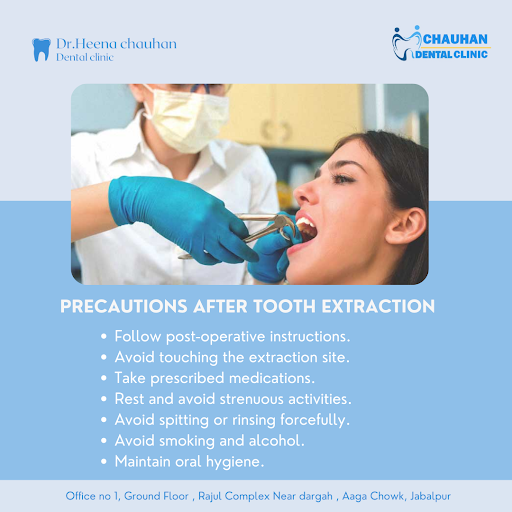
-Bite down lightly on a gauze pad to keep it securely in place over the extraction site.

-Avoid aggressive mouth washing or spitting: For the first 24 hours following the extraction, refrain from mouth washing your mouth violently or spitting forcibly. -Take prescribed drugs: Follow the instructions provided if your dentist or oral surgeon has recommended any medications, such as painkillers or antibiotics. -Apply cold packs for 10 to 15 minutes at a time to the affected area to reduce swelling and relieve pain. -Rest and moderate exercise are advised. You should avoid intense exertion for at least 24 hours following the extraction.

-Bite down lightly on a gauze pad to keep it securely in place over the extraction site.  post imageRead full post

Tooth extraction is a dental method in which a tooth is removed from its cleft in the jawbone. Th…

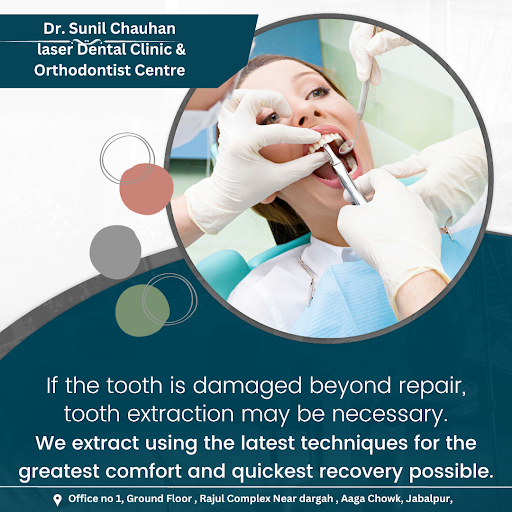
Tooth extraction is a dental method in which a tooth is removed from its cleft in the jawbone. There are several reasons why a tooth may need to be extracted, such as decay, gum disease, trauma, overcrowding, or wisdom teeth that are bring about pain or infection. The procedure itself normally involves numbing the area around the tooth with local anesthesia and then using dental instruments to loosen and remove the tooth. Depending on the complication of the extraction, the dentist may need to make an incision in the gum to access the tooth or use unusual tools to break it into smaller pieces before removing it.

Tooth extraction is a dental method in which a tooth is removed from its cleft in the jawbone. Th… post imageRead full post

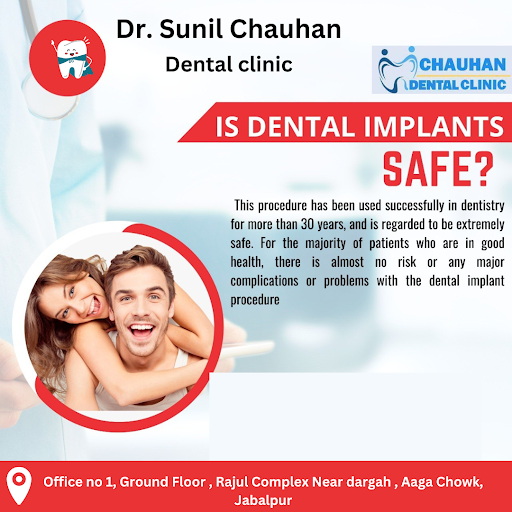
Dental implant surgery is a procedure that involves the placing of an artificial tooth root (impl…

Dental implant surgery is a procedure that involves the placing of an artificial tooth root (implant) into the jawbone. This implant is then used as a base for a replacement tooth or a bridge. Dental implant surgery is typically performed by a dentist or oral surgeon who has received specialized training in implantology. The procedure typically involves several steps, including an initial consultation and evaluation to determine whether the patient is a good candidate for dental implants. This may involve X-rays, CT scans, and other imaging techniques to assess the patient's jawbone density and overall oral health. If the patient is deemed a good candidate for dental implants, the next step is the actual implant surgery. This involves making an incision in the gum tissue and drilling a small hole into the jawbone to place the implant. The implant is then allowed to heal and fuse with the surrounding bone tissue over a period of several months. Once the implant has fully integrated with the jawbone, a connector post (abutment) is attached to the implant, which then supports the replacement tooth or bridge. The final step in the process is to attach the replacement tooth or bridge to the abutment, which restores the patient's ability to eat, speak, and smile with confidence.

Dental implant surgery is a procedure that involves the placing of an artificial tooth root (impl… post imageRead full post

Enamel erosion refers to the gradual loss of the outer layer of the tooth, known as enamel, due t…

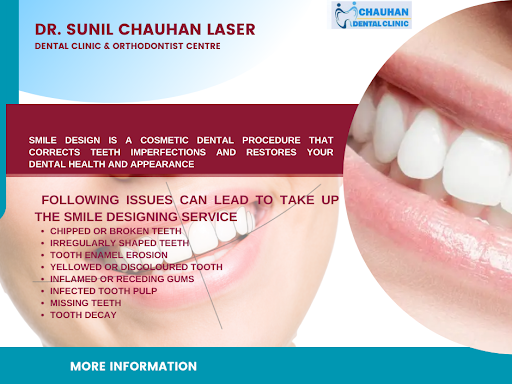
Enamel erosion refers to the gradual loss of the outer layer of the tooth, known as enamel, due to chemical or physical factors. Enamel erosion can lead to tooth sensitivity, discoloration, and other dental problems. Some common causes of enamel erosion include: Acidic Foods and Drinks: Consuming acidic foods and drinks, such as citrus fruits, soda, and sports drinks, can erode enamel over time. Gastrointestinal Problems: Acid reflux or other gastrointestinal problems can cause stomach acids to flow into the mouth and erode the enamel. Dry Mouth: Saliva plays an important role in protecting the teeth. When the mouth is dry, there is less saliva to protect the teeth from acid erosion. Brushing Too Hard: Brushing the teeth too hard or using a hard-bristled toothbrush can wear down the enamel over time. Bruxism: Grinding or clenching the teeth can cause the enamel to wear down faster than normal. Genetic Factors: Some people may be more prone to enamel erosion due to their genetic makeup. It's important to protect your enamel by practicing good oral hygiene, avoiding acidic foods and drinks, and visiting your dentist regularly for check-ups and cleanings.

Enamel erosion refers to the gradual loss of the outer layer of the tooth, known as enamel, due t… post imageRead full post

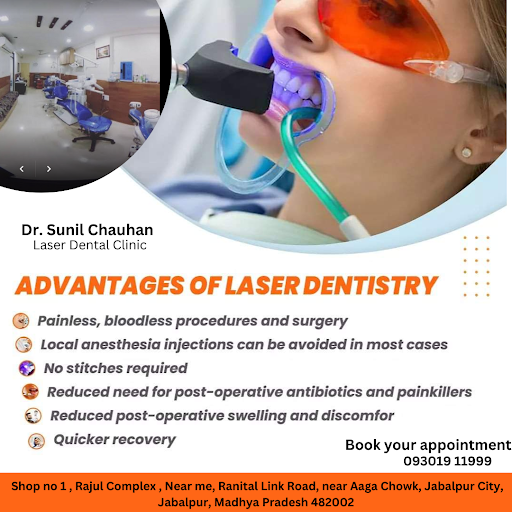
Laser dentistry has been previously accept by the United States Food and Drug Administration to b…

Laser dentistry has been previously accept by the United States Food and Drug Administration to be used as a regular dental treatment. One of the cause why patients prefer laser dentistry is that it has no drilling. This means patients no longer have to hear the loud drilling sounds or feel the vibrations that come with it – making the entire procedure uncomfortable. With minor procedures, laser dentistry does not need any anesthesia. The treatment is done while the patients are restful and relaxed. Once you have gone through laser treatment, here are things that you can normally expect to happen: In contrast to the drastic bleeding that happens after a traditional dental process , laser treatments result in quite less bleeding. The site of treatment will neither be bleeding constantly nor will you have an open wound.

Laser dentistry has been previously accept by the United States Food and Drug Administration to b… post imageRead full post